four note friday 2.34 | Using Photovoice in the College Classroom, Part 2

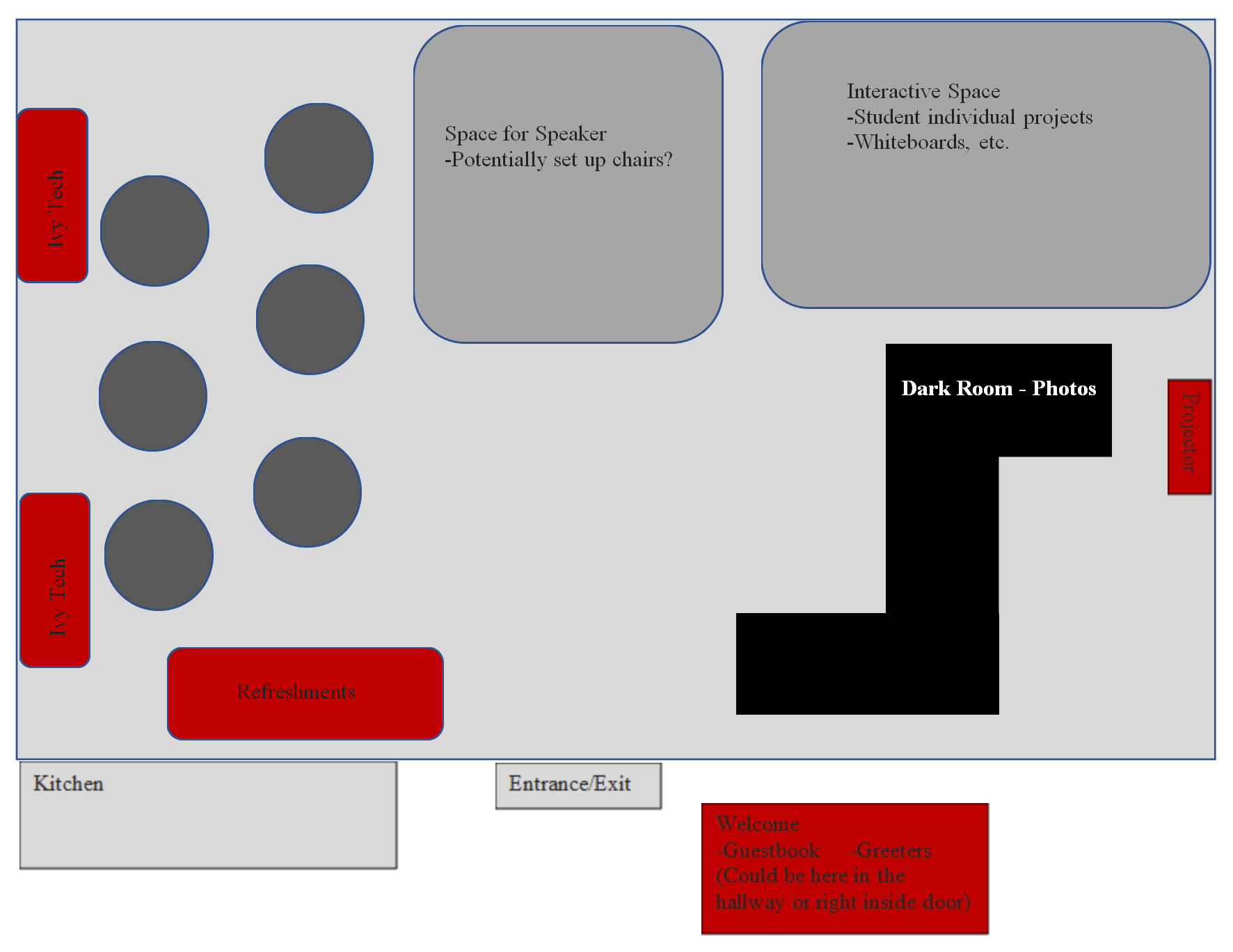
In this week's post, we're going to take a look at how to use the first four of the eight steps of the photovoice methodology as a whole-class pedagogical project inside a college classroom . Recall last week's post. By this time, you should have answers to the following questions:
Is a photovoice project right for your class?
Do you need permission?
What role(s) will your student play?
What training and/or professional development are necessary?
With a clear sense that the project is right for your class, the necessary permissions in hand, a strong visions of your students' role(s) established, and a roadmap for necessary training and/or professional development, it is time to begin.
Before diving in to the deployment of the first four steps of the methodology, however, I want to showcase some example syllabus language for such projects. Below is how I communicated the photovoice project completed within the spring 2018 iteration of Community Colleges and Diversity, EDCC 641, at Ball State University. I should note that immersive learning was once a distinctive pedagogical approach and initiative at the institution, hence the unique verbiage. For this project, I applied for and received a $1500 college-based immersive learning mini-grant. This is what I wrote on the course syllabus explaining the project.
Immersive Learning Project. (Four Parts) (335 points total)
Overview. We will be working with Ivy Tech Community College on an immersive learning project throughout the duration of the semester. The project will be a photovoice project wherein we will form a research team and work with Ivy Tech faculty as participants and co-researchers. See Appendix A for the submitted and accepted project grant proposal. The details of this project will be determined as we go. However, throughout this project, you will likely be engaged in the following (not an exhaustive list):
CITI Training. See https://www.citiprogram.org/.
Research Integrity Processes (i.e., to ensure the ethical treatment of human “subjects”; institutional/ethics review). Our work will need to be vetted by Ball State University and Ivy Tech Community College.
Review of Related Literature. Engagement in a research study requires some level of awareness of previous related research on the topic under study. A literature review is a written synthesis of previous scholarship relevant to a particular study, which may serve to highlight a gap in the existing research. The literature review helps “situate” the study at hand.
Participant Recruitment. Details on this process are forthcoming.
Research Methods. This project will likely include photo-elicitation interviews with community college faculty as the primary research method.
Data Analysis. Methods of data analysis for this project will likely include: interview transcription, coding, and interpretation/meaning-making.
Photovoice Exhibition Planning, Promotion, and Execution. The photovoice methodology typically includes a culminating event—a public photography exhibition hosted by the researchers and researcher/participants. The purpose of the event is to engage policy makers in conversation about the project’s findings and the potential implications of those findings.
Writing. We may collaborate in the creation of a high-quality written piece that details the project, which may take the following forms: journal article, book chapter, or a stand-alone book.
Reflection Essay. Each student will compose a five-point essay in response to the four learning outcomes articulated within the original proposal. See Appendix A. Within this essay, also include an introduction and closing. There is no page parameter for this assignment, but you should give a robust treatment to each of the five points, or intended outcomes. Were the outcomes met, and if so, how?
Other. Who knows what else we might get ourselves into with this work! Let’s have a blast with this!
PART 1. CITI Training. (30 points). If you have not already, you will complete the CITI training required by Ball State University prior to conducting human subjects research. Create a pdf of your completion certificate and upload it to our shared Box folder. This assignment is credit/no credit.
Part 2. Photovoice Project. (200 points total). Because the details of this project have not yet been determined, the details of each student’s involvement/actions/responsibilities are forthcoming. As we progress through the semester, we will jointly decide how these points will be earned as well as why, how, what, and when tasks will be completed. Additional details are forthcoming!
Part 3. Exhibition Installation. (70 points). On the last day of class, we will be hosting our Photovoice Exhibition during downtown Muncie’s First Thursday. We will jointly organize the space and construct the attendee experience. One focus of our exhibition is the photovoice project. A second focus of our exhibition is how each of you experienced the project and the class as a whole. Each of you will create and display an installation that represents what you learned and how you grew as a result of this project and our class overall. Anything is possible! During the semester, we will dedicate time to discuss your ideas. This assignment is credit/no credit.
Part 4. Reflection Essay. (35 points). You will compose a five-point essay in response to the five learning outcomes articulated within the original immersive learning proposal. Within this essay, also include an introduction and closing. There is no page parameter for this assignment, but you should give a robust treatment to each of the five points, or intended outcomes. Did you meet the learning outcomes, and if so, how?
Okay, let's get into the details.
Ideating
As you can see from the syllabus language above, while I had a fairly clear framing for the project in which we would engage as a class, many details were missing. That was a feature, not a bug. I've written before about the use of menus within photovoice projects when enacting the participatory nature of the methodology. In short, it really helps to have a starting point when ideating.
While we, as a class, had a fairly strong sense of who we wanted to work with and what we wanted to focus on, we needed to concretize the details before submitting the project for ethics review. To apply for the mini-grant, I had to supply a letter of support from our community partner, so I had long been in contact with our liaison at the institution. She become another thought partner early on and all along the way. That said, I already had a strong set of menus to present to the students when the course began. And while we were in constant contact with our liaison at the community college, our engagements with the faculty participants was not participatory at the project's start. We relied on our liaison to help us shape the early work in ways that would well for prospective participants.
Our ideation work was vital at the start of the project, as we needed to discern what we were doing ahead of the institutional review board—two in this case—submissions. I recall vivid conversations about the photography prompts we wanted to put forward. This involved a lot of lively in-class discussion and me scribbling on a white board. We landed on the following:
- How do you approach teaching and learning?
- Who are you as a teacher?
- Who are your students?
- How do you define student success?
- Describe your relationships with students.
- What are your students’ greatest assets?
- What are your students’ biggest challenges?
- What is the best part of teaching at a community college?
- What is the most challenging part of teaching at a community college?
We also jointly decided on myriad logistical details related to the study such as how to match participants with research partners (i.e., students in the course), how to manage all the data, and who would do what in relationship to the eventual exhibition.
Yet ideation was a part of the entire process. As the project unfolded, we had to be in contact often and regularly provide updates and make decisions. Again, while I had done a lot of ideation in conjunction with our community partner to prepare for the spring term and pedagogical use of photovoice within the course, the ideation phase remained active all semester.
Inviting
The next step is inviting participants into the project. We knew we wanted to work with community college faculty and had permission to do so. Invitations were sent via email to the institution's faculty listserv. The message was sent on our behalf by an institutional administrator, our liaison, lending us credibility. The institution permitted faculty to use office hours for participation in the study. Participation would also count as professional development activity. That helped a lot with recruitment. Here are come excerpts from the invitation that may be helpful to you:
We would love your participation. If you are 18 years of age or older and currently employed as a faculty member . . . you are eligible. Participation would include three meetings with a member of our research team. The first meeting would be a 30-minute orientation to the study wherein you would receive instructions and a . . . camera. The second meeting would be to drop off your camera. And the third meeting would consist of a 60-minute interview about your pictures.
Our aim is to culminate the project with a photovoice exhibition . . . during downtown’s monthly First Thursday event in the evening on May 3, 2018. Details are forthcoming. If you decide to participate, we would love your input and help in getting ready for this event. Additionally, we are considering ways to convert this project into an art installation for the proposed new and renovated instructional sites that comprise the . . . Campus. Again, your participation would be welcomed.
To express interest in participating, please complete this quick survey: [insert link]. We will be in touch with you shortly hereafter!
Learning
Not only did I need to facilitate learning opportunities for students to become more familiar with and knowledgeable about photovoice, I also need to support them in working with the participant with whom they were matched.
Below is the handout we used to support each participant, orienting them to the study. Each student met with their participant one-on-one to explain the project, go over the handout, provide materials, and answer questions.
Photovoice Instructions
Dear Participant,
Thank you so much for being willing to participate in this study titled: Understanding Community College Faculty Perceptions of their Work’s Purposes, Teaching Philosophies, and Orientations to Students through Photovoice. As part of this study, you are asked to respond to the following prompts through photography.
- How do you approach teaching and learning?
- Who are you as a teacher?
- Who are your students?
- How do you define student success?
- Describe your relationships with students.
- What are your students’ greatest assets?
- What are your students’ biggest challenges?
- What is the best part of teaching at a community college?
- What is the most challenging part of teaching at a community college?
Please take around three photographs for each prompt. Following the photography session, you will return the disposable camera to your Ball State research partner for this project. Please use the provided envelope.
Your Research Partner’s Name:
Your Research Partner’s Email:
Your Research Partner’s Cell Phone:
Once the photographs are developed, you will be contacted to schedule a follow up interview to discuss the photographs you have taken.
Know that your participation in this study is totally voluntary. You may withdraw at any time.
Your photographs must NOT contain people or anything illegal. You may take pictures of anything else, so long as this requirement is met.
Here are some important points to remember when taking photos:
- Keep sunlight to your back when taking photos outdoors.
- Use the flash (press button on front of camera and wait for red light to appear) when taking photos indoors.
- Be sure to look through the viewfinder to capture the entire scene you would like to photograph.
- Feel free to use the camera either horizontally or vertically.
- Be as creative as you like. You are simply asked to respond to the prompts, in any way you like, through photographs.
Thank you!
(Image) Making
We did not set a strict timeframe for image making among the participants. However, we presented the larger timeframe within which we were working (i.e., the semester). We also, of course, had the date, time, and location of the exhibition established well ahead of the start of the semester. So, we provided a suggested timeframe and adjusted as the semester progressed and things came up.
In terms of logistics, because we used film photography, the students arranged with their matches a day/time/location to pick up their disposable camera. The students then gave me the cameras so the film could be developed. At the time, we had a local camera shop in town that could develop the film as 4"x6" prints and create a CD with digitized versions of the pictures. I then gave the prints to the students in duplicate—one set for the participants and one set for the students to place into a small album and number so the images to be connected to the audio files via the transcript. In other words, my students referred to the images by number during the photo elicited interviews.
Below are some of the images generated through the project. In Part 3, coming next week, I'll walk through the implementation of the next four steps of the process.
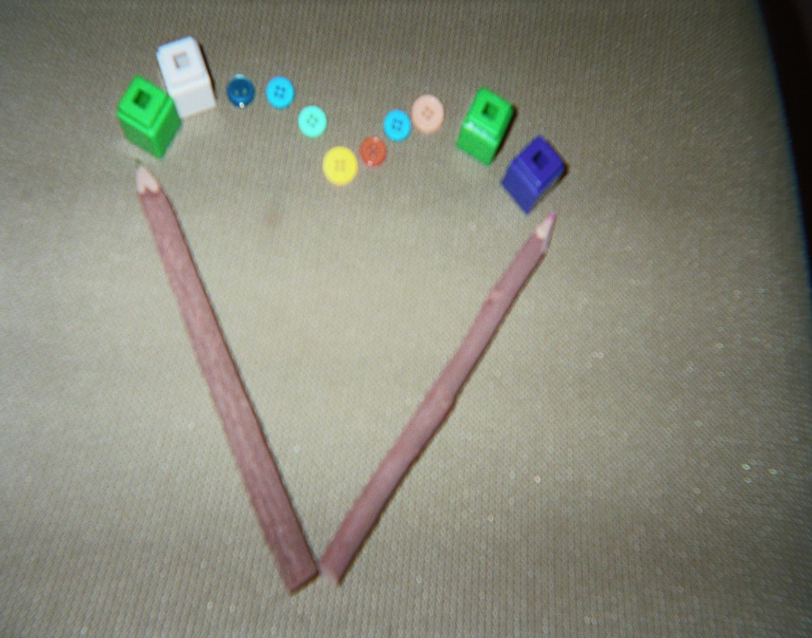
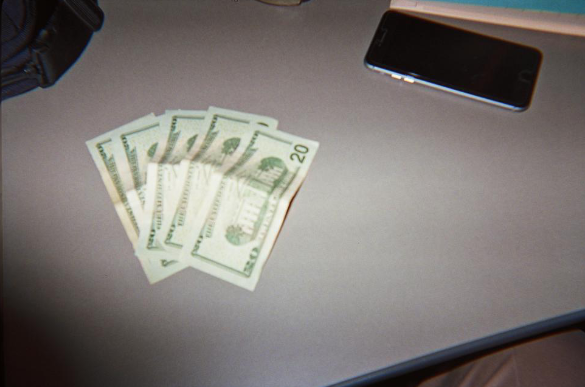
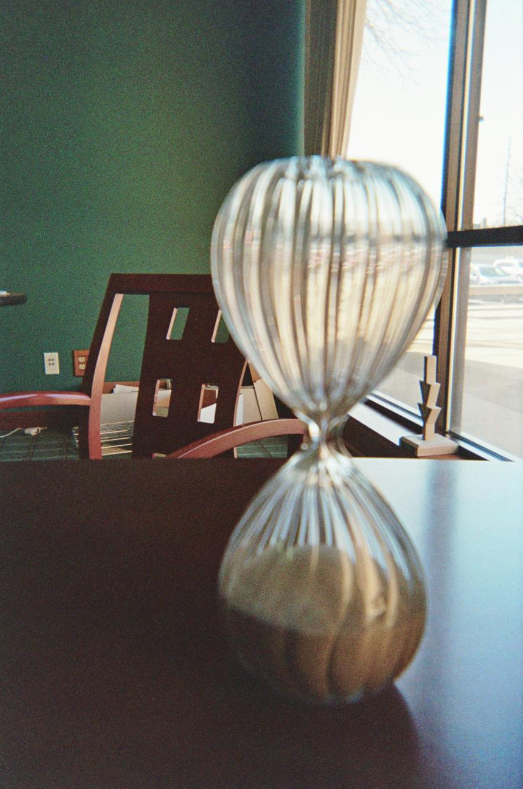
At my institution, classes start on Monday. As always during this time of year, I am swimming in lots of ideas on how to engage my students meaningfully in the learning process. I hope this post has given you some ideas about the potential pedagogical uses of the photovoice methodology.
🥹 Thanks for spending a moment with me this Friday.
💌 If you’re new here, welcome! I hope this space becomes one you look forward to each week.
📖 Interested in a book version of these posts? Check out the paperback and ebook!
📬 Have a question you want me to answer in a future issue? Reach me at photovoicefieldnotes@gmail.com. I'd love to hear from you.
Thanks for being here.
Warmly,
Mandy
photovoice field notes
https://www.photovoicefieldnotes.com/