four note friday 2.17 | Photovoice and the View-Master Toy

Earlier this week, I was spending time in my on-campus office thinking about how it needs a refresh. After working at the institution for 15 years, it's become equal parts office and storage unit. As I was looking around at the space and daydreaming about what might be possible, I took a toy off one of my shelves and started playing around with it for a few moments.
Which toy did I take off the shelf? It was a new/vintage RetroViewer with a custom reel a former student of mine created as part of a photovoice project we facilitated back in 2018. This video provides a wonderful overview.
During the spring of 2018, I embedded a photovoice project into one of my courses. See here for some details. During the class, my graduate students (framed as researchers) were paired with community college faculty (framed as participants/collaborators/co-researchers). Together, these pairs and I carried out a photovoice project focused on faculty orientations to their students.
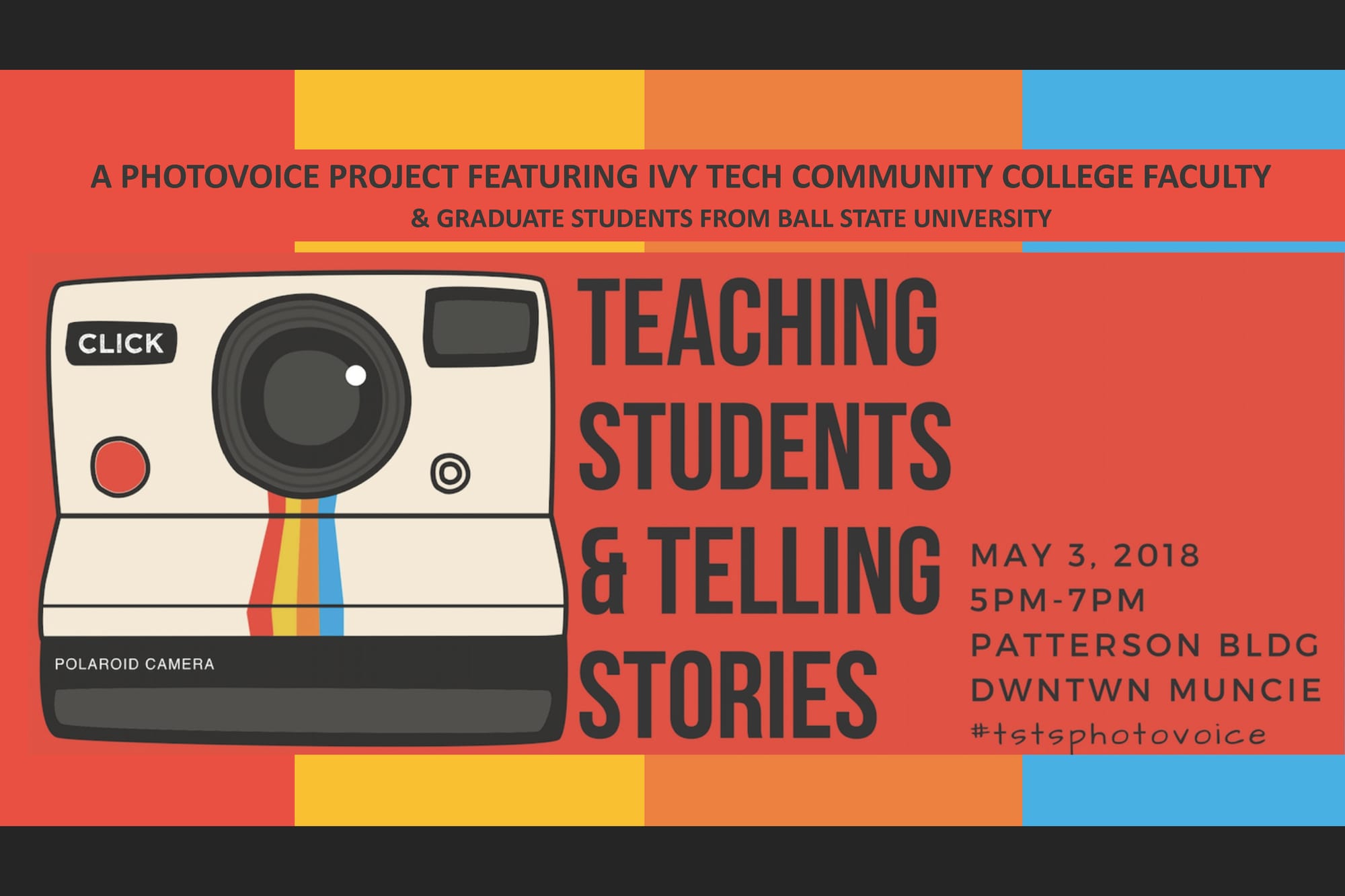
As part of this project, one of my students, Dr. Rosalinda Ortiz (lead author of the journal article linked above), created and ordered a View-Master-style reel with her match's photographs (photo) and excerpted quotations from their interview (voice) about the photographs in a 3-D image amalgam. We hosted what I would call a rather conventional photovoice exhibition (see below for our event flyer), to which Dr. Ortiz brought the RetroViewer and invited guests to play around with.
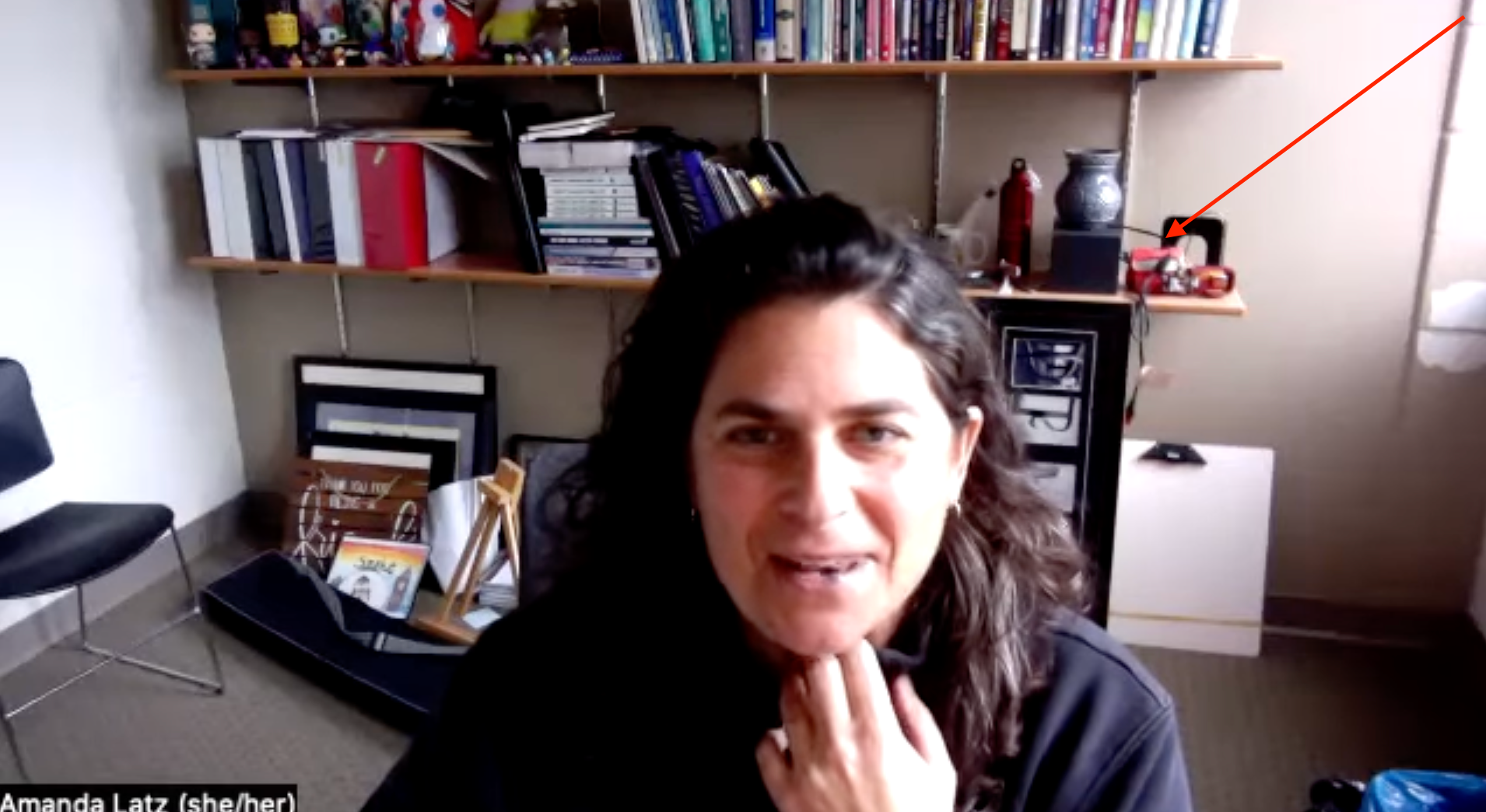
That RetroViewer has been on a shelf inside my office for eight years (see above image; red arrow points to the toy). And this past week, I rediscovered it. And this rediscovery got me thinking.
All that said, this week's post is going to be about leveraging the novelty of the View-Master children's toy within photovoice projects—especially in conveying the main learnings from a given project and the policy changes that may be recommended when considering those learnings.
All of this week's notes below start with the word consider. And before diving in, the most point of view to consider when deciding how to convey the key points of the project is the participants'. Do not make these decisions on your own. Make the decision in collaboration with those with whom you are working.
Consider the Exhibition (broadly defined) Budget
It's certainly not impossible to curate and host a photovoice exhibition without funding. Equipment can be borrowed. Images can be projected instead of printed. And you might be surprised at what and how much folks are willing to donate!
All that said, RetroViewers and custom reels from Image3D, while, very, very cool, are certainly not free. (Please note there are no sponsored posts here.) So budget considerations are key in deciding whether this is a road you want to take.
At the same time, if you are seeking funding for your upcoming photovoice project through grants or awards, here is the pricing guide from RetroViewer.
Consider the Audience
Audience is another key consideration here. While I (a card-carrying member of Gen X) would love to play with one of these things, a younger person might not have any clue or care at all about the toys of yesteryear.
Culture is another important consideration. Do the cultural backgrounds of potential attendees and location of the event mesh well with staring into a View-Master? This video gave me a chortle: https://www.youtube.com/watch?v=qAOMWYxC-pY
As emphasized above, work and collaborate with participants to the extent they are willing!
Consider a Gift
Many photovoice projects and exhibitions I have either been a part of or attended have provided guests with some kind of gift or take-away item—a one-page event program, a keepsake like a bookmark, or even a pamphlet with images from the project.
Could a View-Master be an appropriate gift to remind attendees of the project? Perhaps one with information about how to do something about what they have seen or now know more about?
For example, one of the images on the reel could include a list of action steps, the phone number of their area representative(s), or a (simple) URL where they can learn more.
Consider the Pull of Analog Novelty
In our increasingly digital world, analog novelty has a unique pull. Could this be leveraged in your context? In my book, I write about the concept of photographic objecthood and how that might matter in the context of photovoice. I am reminded of that when considering the View-Master.
There is a difference in the way we, as humans, engage with images projected onto a wall or screen, an 8" by 10" printed photograph, and the reels of a View-Master. We typically have no kinestetic engagement with a projected image; it is to be looked at. Yet we can look at and touch a print, turn it over and see if there are words on the back. Hold it close; hold it at a distance. We can show it to someone. With the View-Master, the engagements become ever-more complicated and nuanced. What is it that we want our exhibition attendees to do, to feel—to think?
Could the pull of analog novelty be just the thing necessary to engage a specific audience about a critical topic that needs their attention?
Converting a photovoice project into a (series of) View-Master reel(s) may or may not be in the cards for you. But it is certainly worth considering, as is evident above. I'd love to know what you think of this! In addition, what are other ways we can creatively bring more attention to photovoice projects?
🥹 Thanks for spending a moment with me this Friday.
💌 If you’re new here, welcome! I hope this space becomes one you look forward to each week.
📬 Have a question you want me to answer in a future issue? Reach me at photovoicefieldnotes@gmail.com. I'd love to hear from you.
Thanks for being here.
Warmly,
Mandy
photovoice field notes
photovoicefieldnotes.com