four note friday 2.16 | Reflections from a Recent Photovoice Workshop

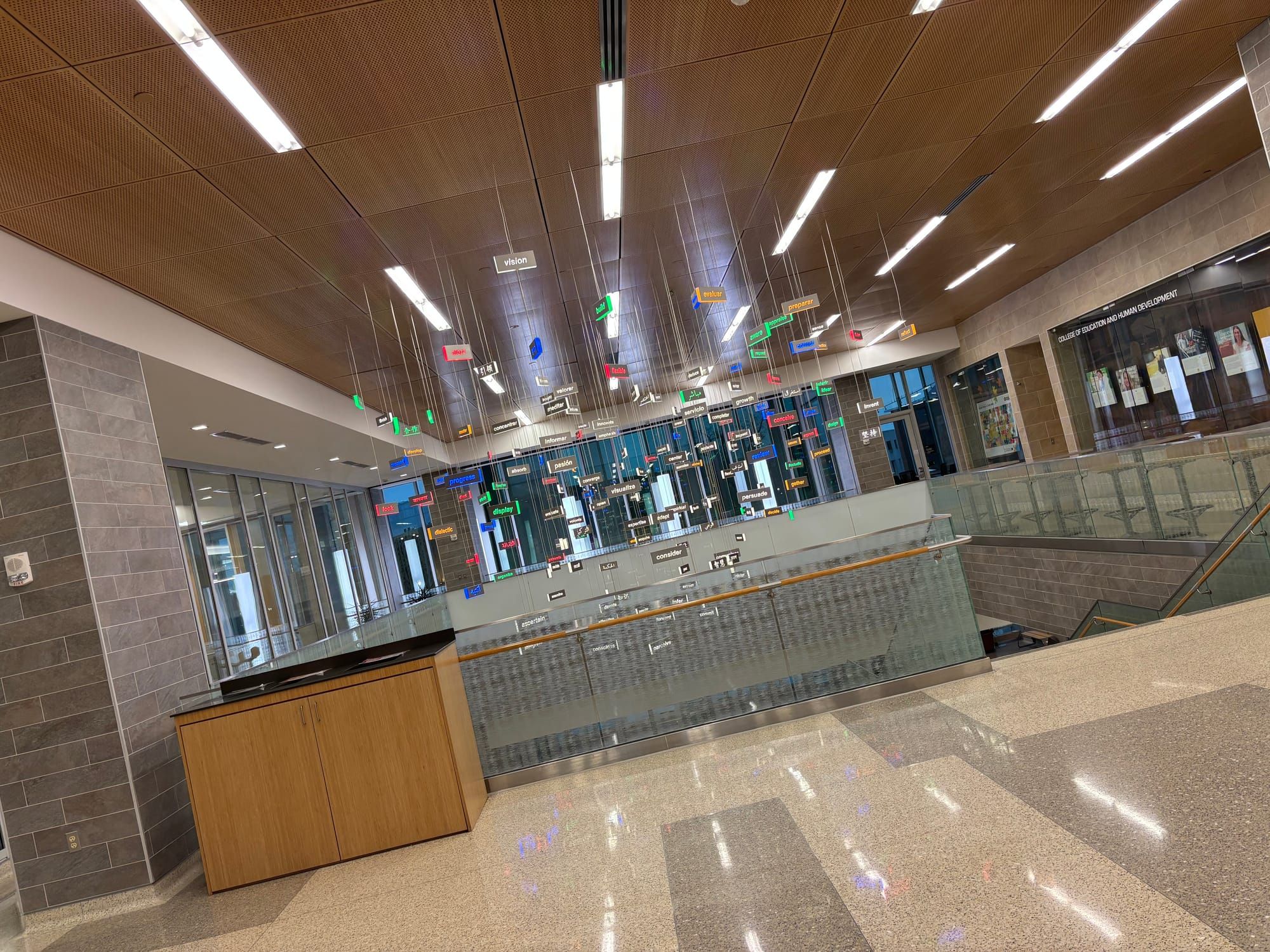
A few weeks ago I had the opportunity to facilitate a photovoice workshop at Western Michigan University (WMU) at the invitation of dear friend and colleague Dr. Regina Garza Mitchell. It was an inspiring and energizing experience during a busy time in the academic cycle.
Attendees consisted of faculty members and graduate students interested in learning more about critical arts-based research. This photovoice workshop was one of a total of four workshops hosted by WMU this year. I was delighted to be invited, and the experience was a complete joy.
In what follows, I outline four main reflections based on the session. As you may know, I am in the process of preparing for an upcoming two-day photovoice workshop, which will occur in mid-May. So reflecting on this three-hour workshop at WMU has given me a lot to consider as I engage in preparations for the longer upcoming event!
It is helpful to start by setting the context with some big picture ideas and brief small-group and whole-group activities.
Building a shared context by engaging with provocations can situate the workshop against the broader palette of extant approaches to inquiry. I love using questions as provocations to get us thinking together inside the same realm. If we think of the workshop as a funnel, this is a generative broad opening to get things started. Here are some such questions.
- Are images our first written language?
- How many photographs are on your smartphone's camera roll?
- What role does text play in your life?
- What role do images play in your life?
- How has human life changed since/because of the invention of the camera?
- What kinds of media do we/you use to narrate our lives?
- To what extent do you trust the things you see and the things you read?
The above questions, among others, can be used as brief discussion prompts meant to open the workshop. A key question to ask in bridging to the next segment is: Why might any of the above questions matter in the context of photovoice?
Getting participants moving, doing, and connecting with one another as soon as possible is another approach to jumpstarting the workshop. One way to do this is through multi-model attendee introductions. This is accomplished through inviting a round of structured verbal introductions (name?, role?, why are you here?) followed by introductions via no-self selfies.
No-self selfies are selfies that do not include a photograph of the physical self. Rather, no-self selfies are symbolic and metaphorical. Workshop participants are asked to take a selfie without themselves in it—using only objects and surroundings close at hand.
Following the no-self selfie photography time, often with a number of cameras for participants to select from (I love vintage Polaroid cameras), attendees are asked to re-introduce themselves in small groups. From that point, the two introductory activities can be debriefed using the following prompts:
- What processes did you use to create your various introductions? How did they differ, if at all, and why?
- What did the various introduction activities feel like? How did those feelings differ, if at all, and why?
- In what ways can you map the relationships between the processes you engaged in and the feelings you had?
- What might this experience have taught you about photovoice? And how might that learning be applied?
Playful and intentional engagement with images is critical.
Another component of the workshop is playful and intentional engagement with images from actual photovoice projects I have been a part of. I show the group a series of images two times using a projected slidedeck. First, I ask them to write down how the image makes them feel (e.g., afraid, hopeful, anxious). Second, I ask them to write down the characteristics of the image that affect their feelings about it (e.g., perspective, lighting, arrangement of objects).
Below is list of some of the debriefing questions I will use throughout the activity outlined above:
- What were some of the words you wrote down in response to how these images made you feel?
- What were some of the characteristics of the photographs you wrote down?
- In what ways can you map the relationships between the characteristics of the photographs and how these images made you feel?
- Why does any of the above matter in the context of photovoice?
- What did this experience teach you about photovoice? And how can that learning be applied?
To close, I ask them what they believe the creator of the photograph was trying to convey. Once some interpretations are voiced, I tell them the real story (voice) of the image (photo). We then compare and contrast and consider what it all might mean in our own applications of the methodology, especially in relation to the intricacies of data analysis.
The fusion of workshop content with workshop attendees' project ideas is the real workshop curriculum.
The best workshop curriculum in the history of the world will fall short if attendees are unable to connect the content of that workshop with their own life contexts. That said, workshop attendees need ample opportunities to fuse things together.
To this end, some of the free digital downloads I've created can come into play nicely here. Giving attendees time for project building can be fruitful. For example, sharing handouts of the Photovoice in Eight Steps download and asking participants to sketch out their project ideas in accordance with the steps can be a solid entry point.
From there, you can introduce the Creating Menus for Photovoice Projects handout for brainstorming on using menus throughout the lifecycle of the project to encourage participant engagement in project building and ongoing refinement. Where your workshop curriculum and the attendees' lives' curriculum collide is where all the magic (i.e., learning) really happens.
Photovoice is in good hands.
I really, really loved working with these folks at WMU. Even if for just an afternoon, it was wonderful working with this group of faculty and graduate students. It is easier than ever to become cynical, brittle, and downtrodden about the current state of higher education and knowledge creation. Yet this workshop generated a sense of hope that broke through the toughness of the present times.
Here were a group of people willing to give up their open time and limited energy to really dig into learning about photovoice—and brainstorm all sorts of interesting project possibilities along the way. Small and powerfully validating and affirming moments can make the hard things worth doing.
I am in a season of my career where I think often about what others will do atop a methodological foundation I had a small part in building. And after this most recent workshop, I know photovoice is in good hands.
What would you expect from a workshop on the photovoice methodology? I would love to hear from you!
🥹 Thanks for spending a moment with me this Friday.
💌 If you’re new here, welcome! I hope this space becomes one you look forward to each week.
📬 Have a question you want me to answer in a future issue? Reach me at photovoicefieldnotes@gmail.com. I'd love to hear from you.
Thanks for being here.
Warmly,
Mandy
photovoice field notes
photovoicefieldnotes.com